Week 6: A Slovak Interlude
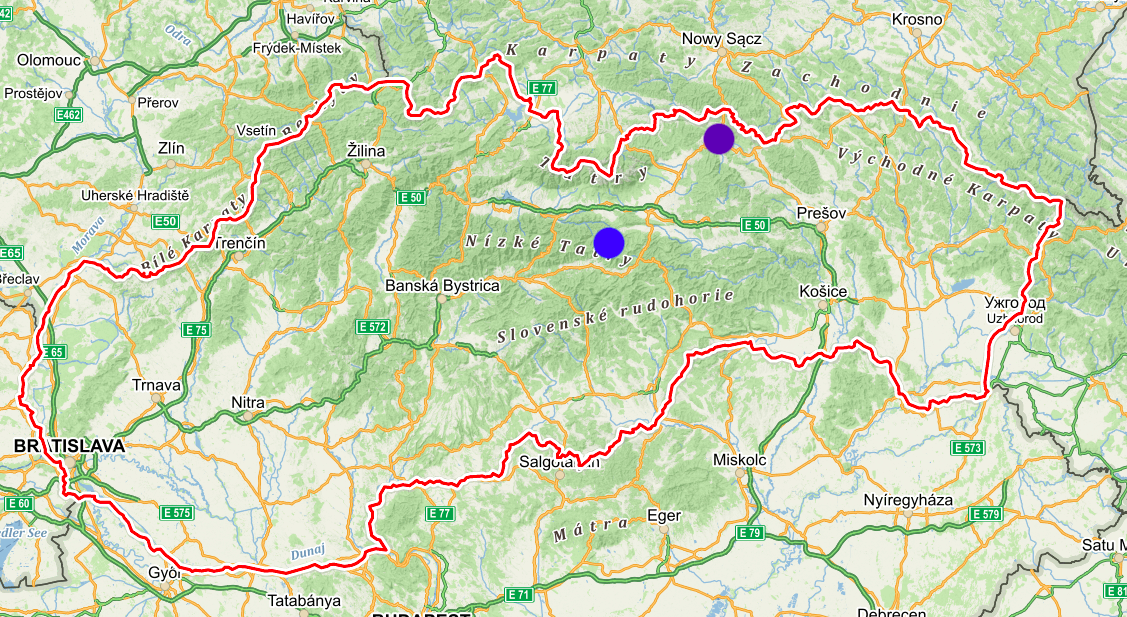
Aug. 3, 2022We spent the week in Slovakia visiting Stano’s parents and decided to take a day trip to the Low Tatras - a mountain range in central Slovakia. In the map below, the purple dot is where Stano’s parents live and the blue dot is where we went hiking.
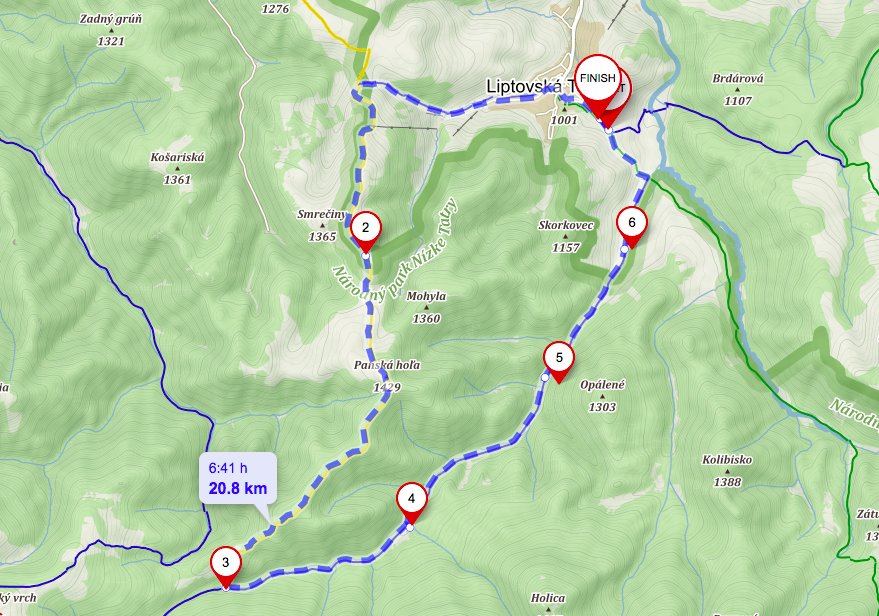
Below is our hiking route. We started and ended in the village of Liptovská Teplička.
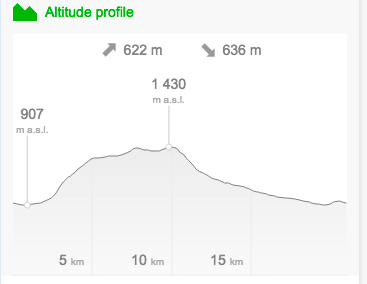
The altitude profile didn’t seem too bad…but it was a slow and steady climb that never ended!
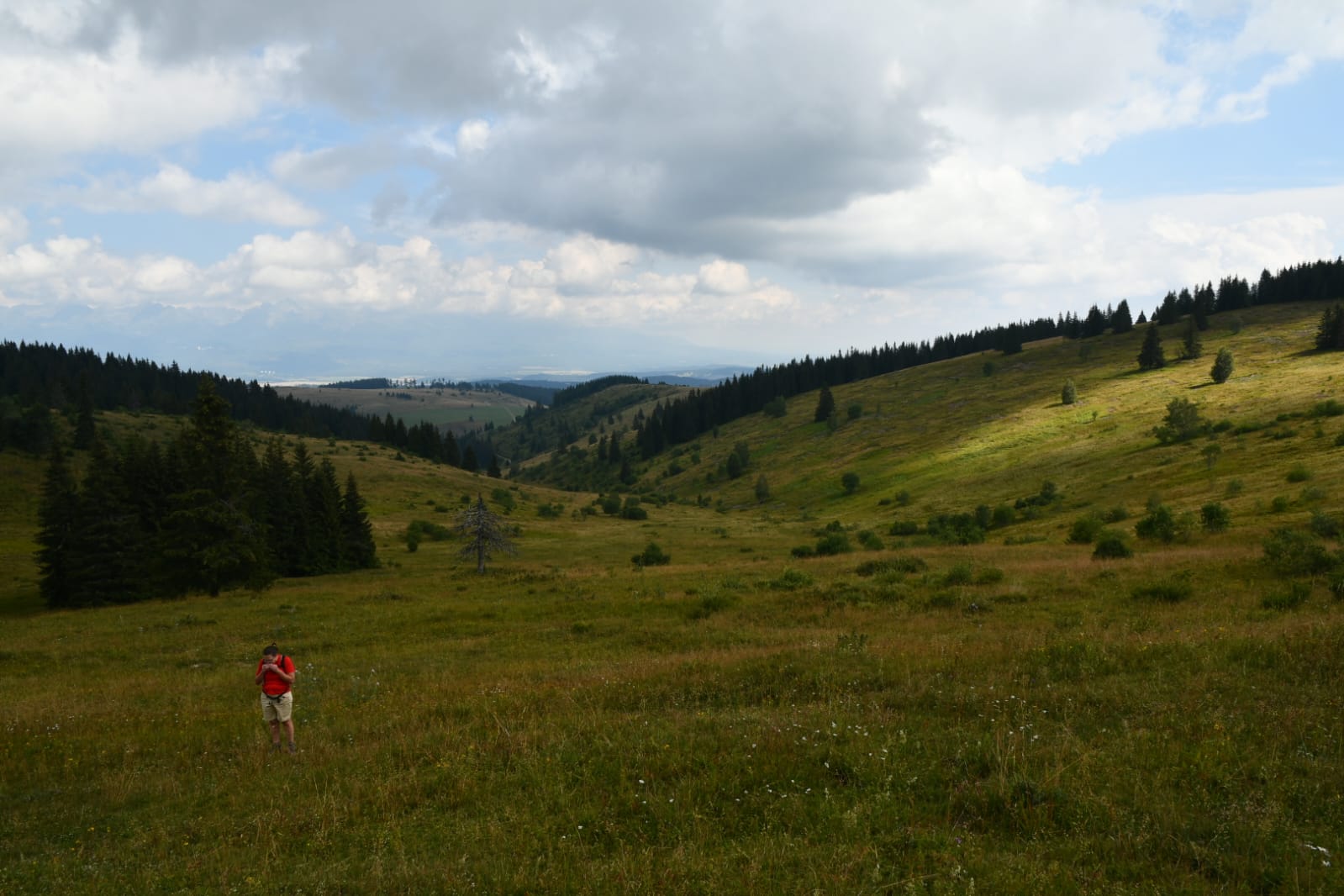
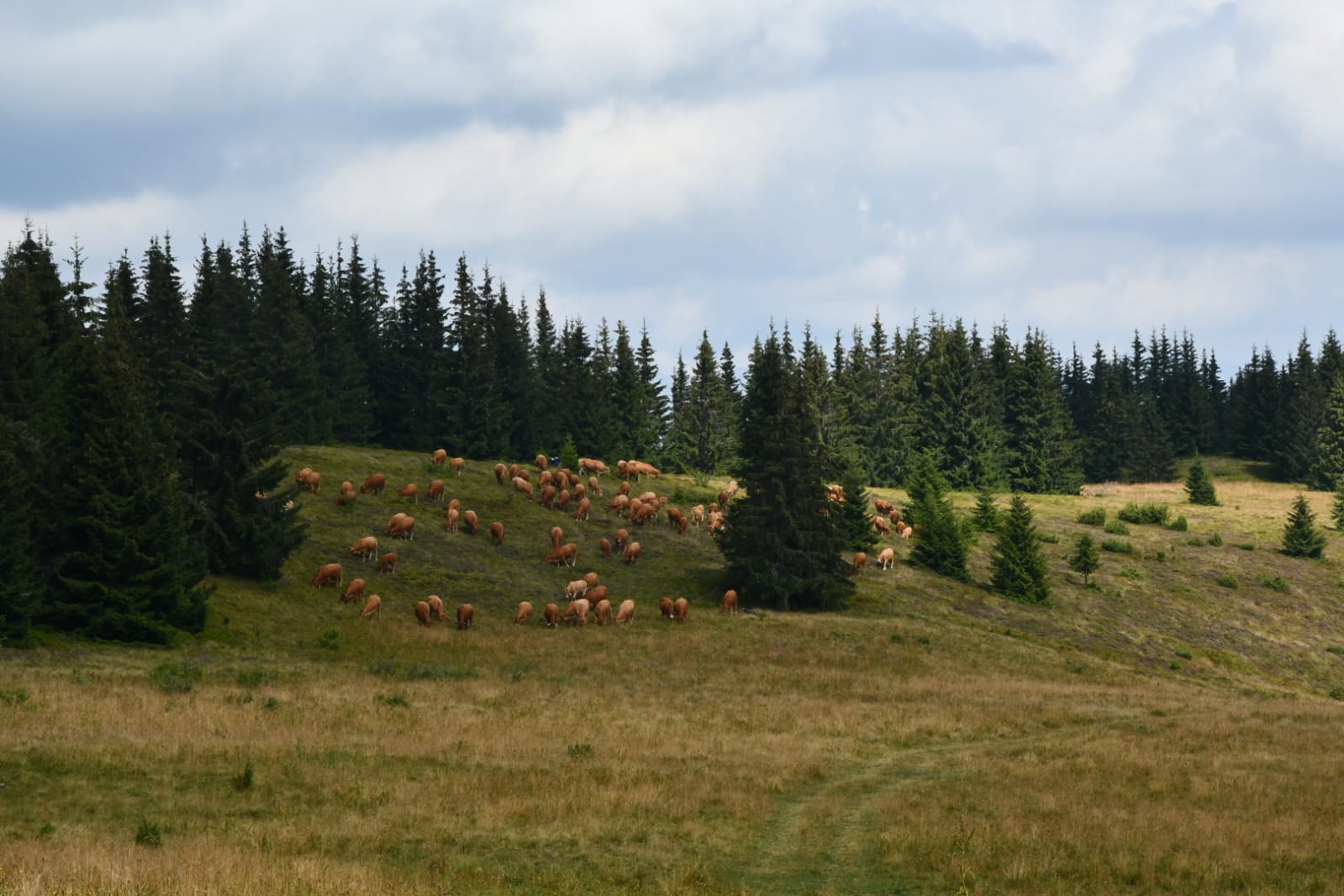
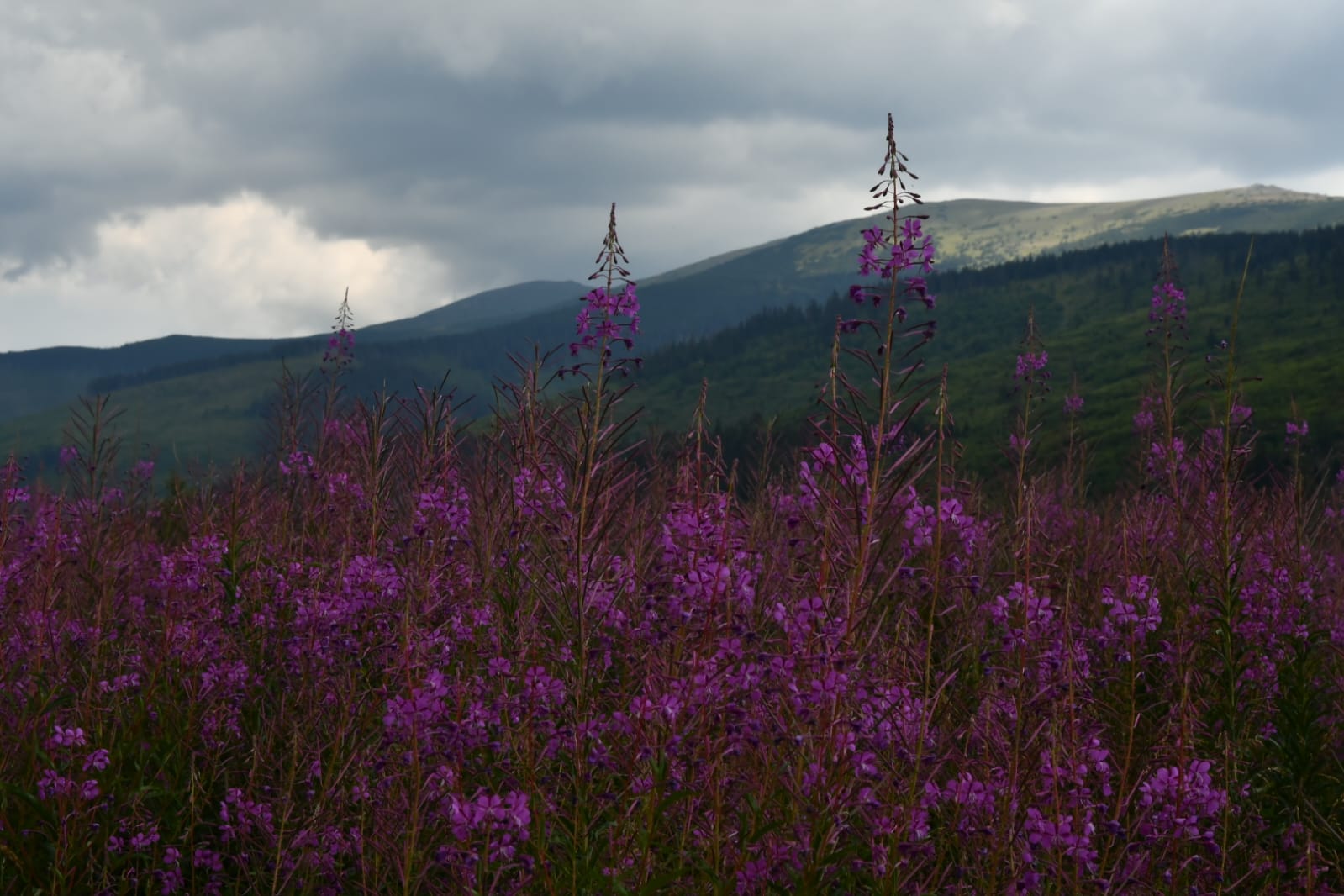
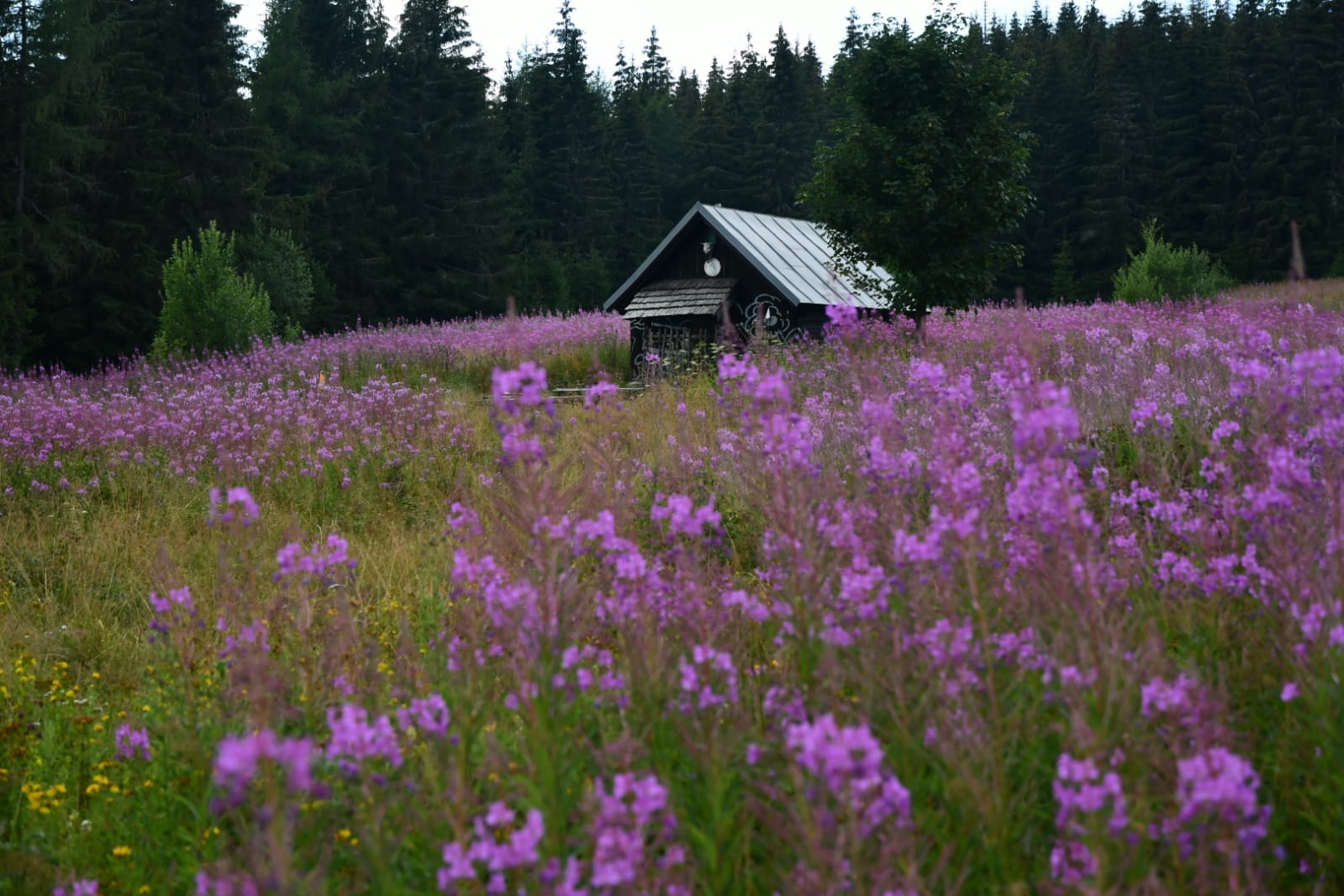
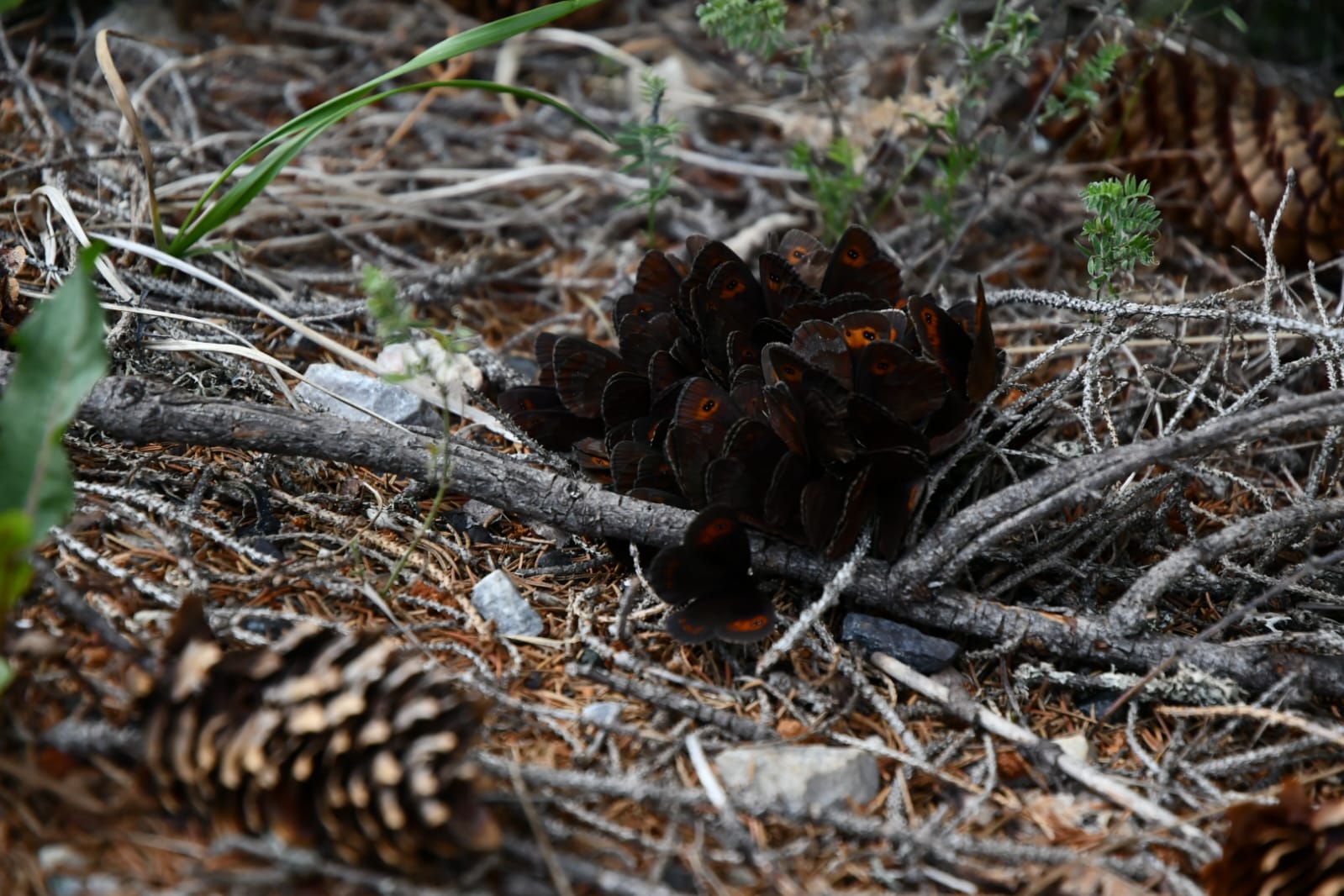
The best part was that throughout the 8 or so hours that we were hiking, we only saw 4 people (a group of brave cyclists) but we saw a lot of beautiful sights, plants and animals. It was incredibly peaceful and most of the time we felt like we were the only people on the planet.
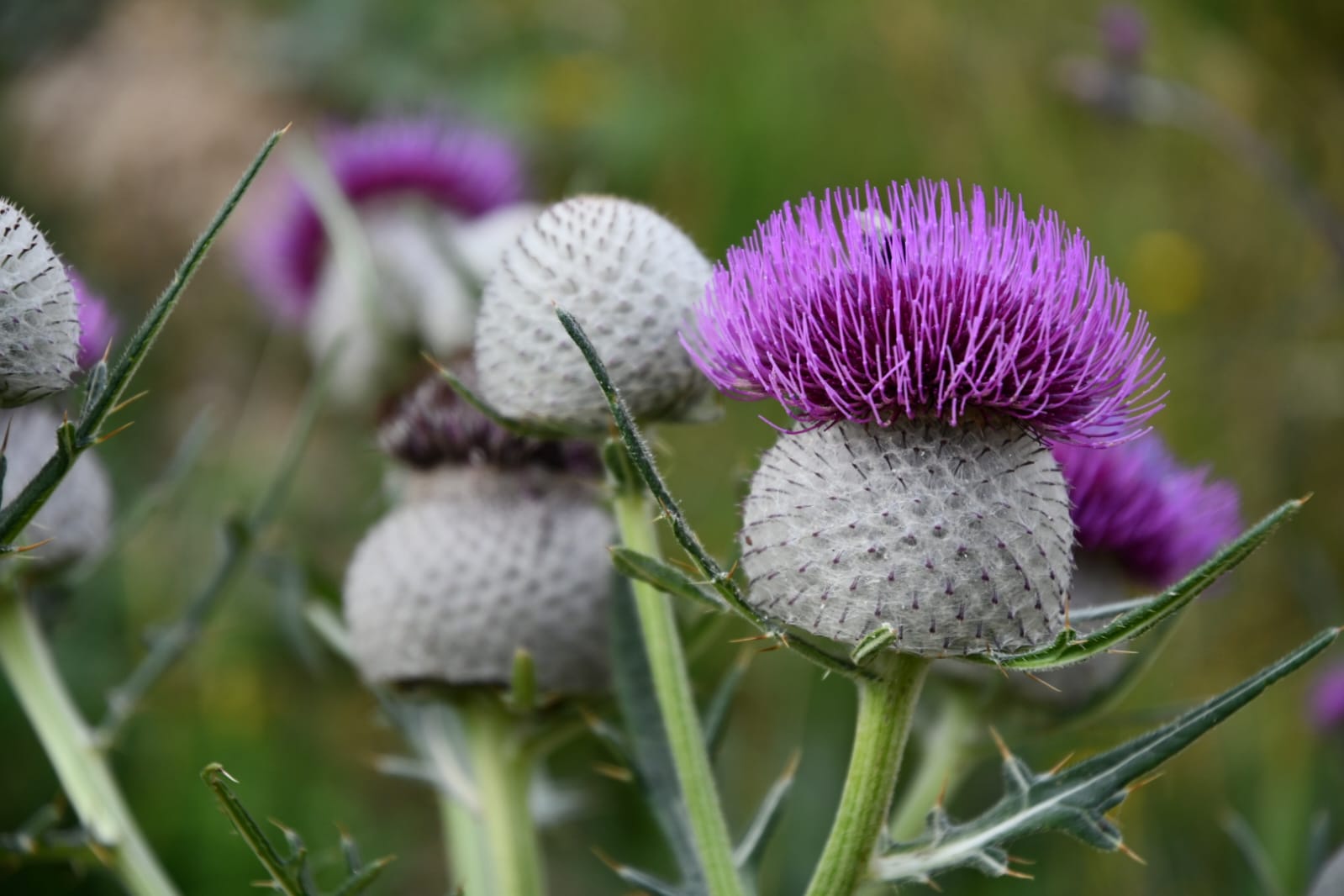
We ate wild blueberries and raspberries and saw thistles like this, growing
by the thousands. It is hard to tell in this photo, but the base of these
thistles (the gray round part) were bigger than golf balls and if you
combined it with the purple top, it was more like the size of baseballs or
softballs. I had never seen this variant.
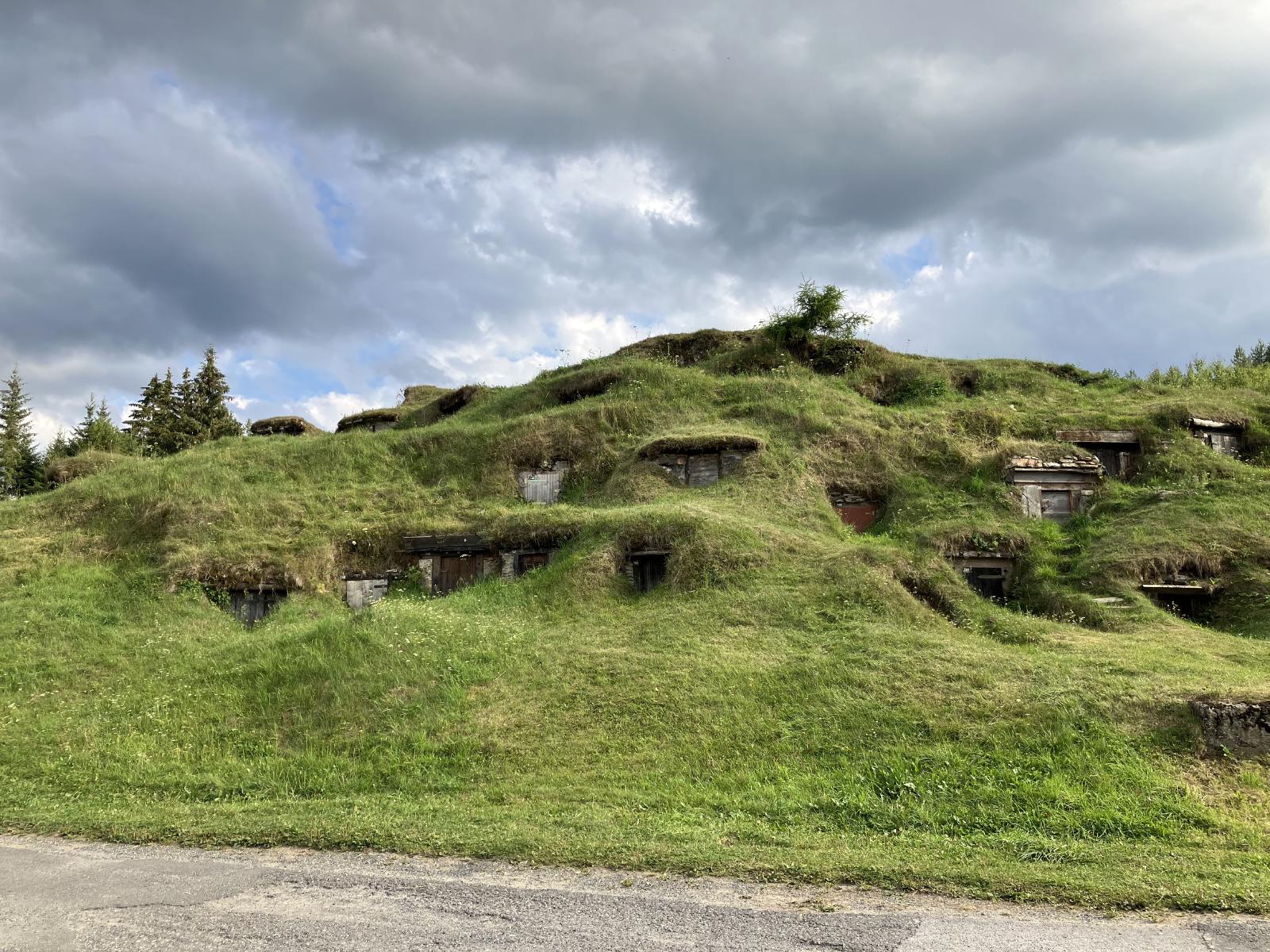
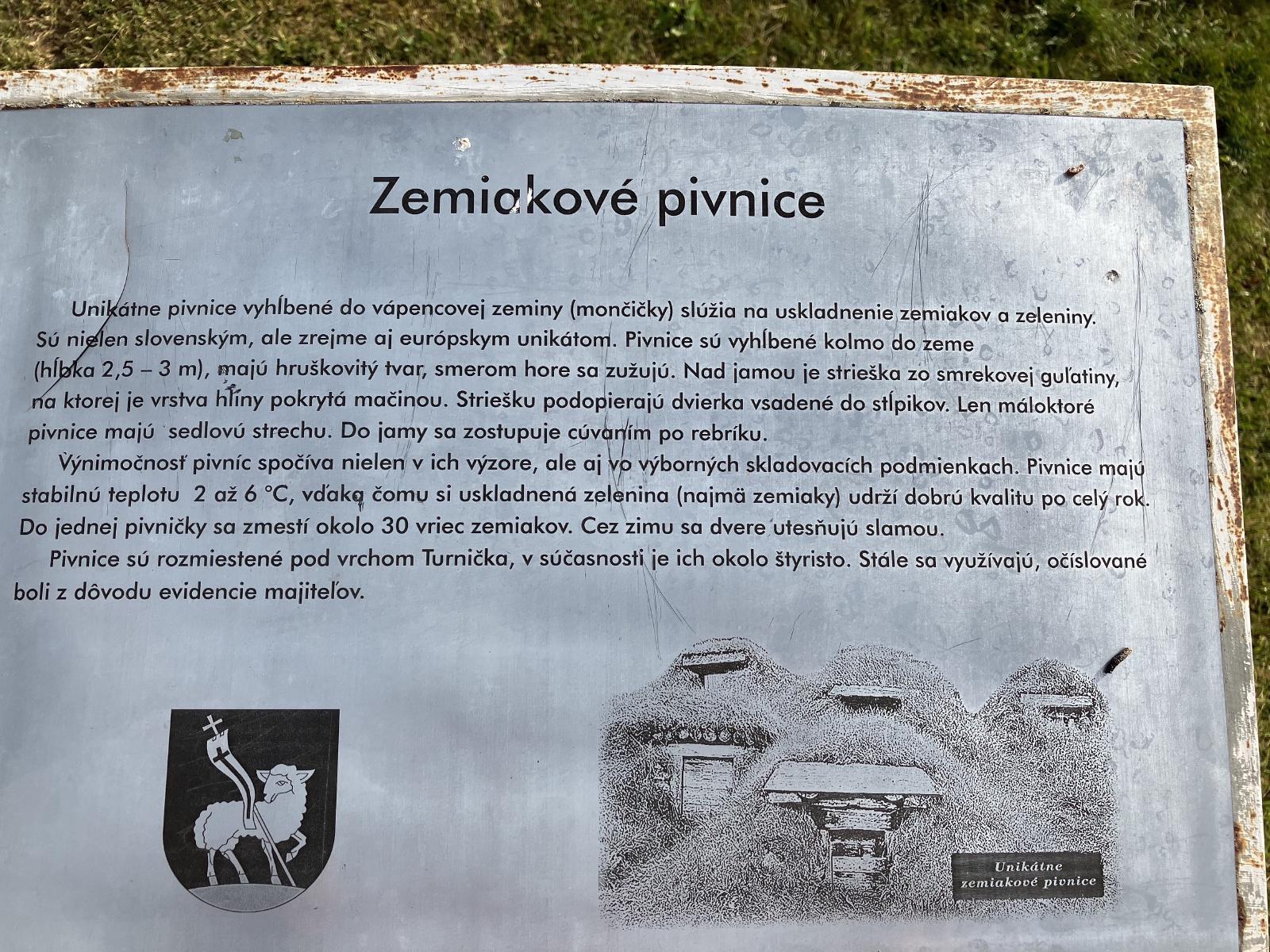
Unique cellars dug into the limestone are used to store potatoes and vegetables. They are not unique to Slovakia but are found across other parts of Europe as well. The cellars are hollowed out perpendicular to the ground (depth 2.5 - 3 meters) are pear-shaped and taper upwards. Above the cellar is a roof of spruce logs, above which is a layer of clay and then turf above. The roof is supported by the doors and door jamb. Only a few cellars have a gable roof. One descends into the cellar by a ladder.
The excellence of the cellars lies not only in their appearance, but also in excellent storage conditions. The cellars have stable temperatures between 2 and 6 C (36 - 43 F), thanks to which, the stored vegetables (especially potatoes) maintain good quality year-round. About 30 bags of potatoes fit into one cellar. During the winter, the door is covered with straw.
The cellars are located under Turnička hill, there are about 400 of them. They
are still used and are numbered in order to keep track of ownership.”